

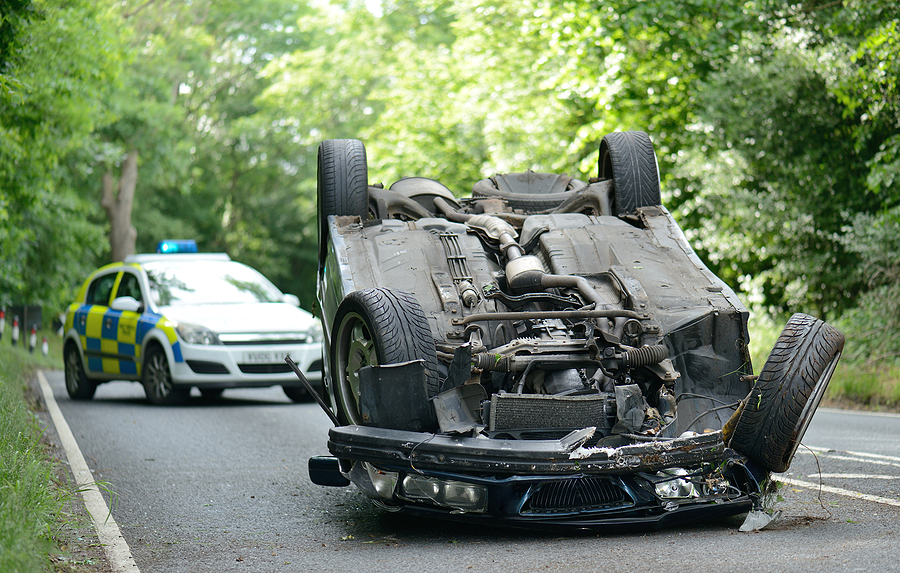
Detroit Police Car and Minivan Collide at E. Nevada and Dequindre [DETROIT, MI]

A Detroit Police Department patrol car and a minivan were involved in a serious collision Tuesday morning, October 27, 2026, near East Nevada Street and Dequindre Street in Detroit. The Detroit police car crash left both vehicles heavily damaged, and emergency crews responded to the scene.
Authorities have not confirmed what caused the collision or whether anyone was injured.
What Happened in the Detroit Police Car Crash
According to ClickOnDetroit, the crash occurred Tuesday morning in the area of East Nevada Street and Dequindre Street on Detroit’s east side.
The vehicles involved were a Detroit police patrol car and a white minivan that appeared to be a Chevrolet Venture.
Footage from the scene showed significant front-end and passenger-side damage to the vehicles.
As of the available reporting, authorities had not confirmed what led to the collision or whether anyone sustained injuries.
Detroit police had not released information identifying the officers or occupants of the minivan.
It was also unknown whether the patrol car was responding to an emergency call when the collision occurred.
Because these details remain unconfirmed, no conclusions can be drawn about which driver may have been responsible.
Why Crashes With Police Vehicles Raise Unique Questions
Collisions involving police vehicles can raise legal and investigative questions that differ from those in ordinary traffic accidents.
Police officers responding to emergencies may operate under certain statutory driving privileges, including limited exceptions to ordinary traffic rules.
However, those privileges are subject to specific requirements and do not eliminate the obligation to consider the safety of other motorists.
Other drivers may also face challenges recognizing an approaching emergency vehicle, particularly at busy intersections.
Sirens may be difficult to hear over surrounding traffic noise, and flashing lights may not be immediately visible from every direction.
When a police vehicle is involved in a collision, investigators may examine several factors, including:
- Whether the patrol car was responding to an emergency.
- Whether emergency lights or sirens were activated.
- The speed and direction of each vehicle.
- Traffic signals, signs, and roadway conditions.
- Witness statements and available video evidence.
Because police vehicles are operated by governmental agencies, additional legal rules may also affect potential injury claims.
Common Injuries in Side-Impact Collisions
Authorities have not confirmed whether anyone was injured in Tuesday’s crash.
In general, side-impact and front-end collisions can cause a variety of injuries, depending on the force of the impact and the circumstances.
Potential injuries include:
- Head injuries and concussions: Occupants may strike windows, vehicle interiors, or airbags during a collision.
- Neck and back injuries: Sudden movement can cause whiplash, spinal strains, or disc injuries.
- Broken bones: Ribs, collarbones, and arms may be injured during significant impacts.
- Pelvis and hip injuries: Side impacts involving vehicle door intrusion can cause serious injuries.
- Cuts and bruises: Broken glass, airbags, and damaged vehicle components can cause additional injuries.
Some injuries may not cause noticeable symptoms immediately.
Anyone experiencing pain, dizziness, head injury symptoms, or other concerning changes after a collision should seek appropriate medical evaluation.
Serious or worsening symptoms require emergency attention.
Michigan Law and Crashes Involving Police Vehicles
Michigan law establishes specific rules for authorized emergency vehicles and other motorists.
Governmental immunity and automobile insurance requirements may also affect claims arising from collisions involving police vehicles.
The following information explains general Michigan law and does not establish fault in Tuesday’s Detroit collision.
When Emergency Driving Rules Apply
Michigan law gives authorized emergency vehicle drivers certain privileges when responding to emergencies, subject to statutory requirements.
Under MCL 257.603, an authorized emergency vehicle may proceed past a red light or stop sign after slowing down as necessary for safe operation.
The availability of emergency driving privileges depends on the circumstances and applicable statutory conditions.
These privileges do not eliminate the driver’s responsibility to exercise due regard for the safety of others.
Under MCL 257.653, other motorists must yield the right of way when an authorized emergency vehicle approaches using the required audible and visual warning signals.
Drivers generally must move as close as possible to the right-hand edge or curb, remain clear of intersections, and stop until the emergency vehicle has passed.
However, the duty of other motorists to yield does not automatically establish that an emergency vehicle driver acted appropriately in every circumstance.
If a patrol car is not operating under applicable emergency driving privileges, its driver generally remains subject to ordinary traffic requirements.
In Tuesday’s collision, authorities had not confirmed whether the patrol car was responding to an emergency or using warning signals.
Our article about crashes involving emergency vehicles in Michigan explains these laws in greater detail.
Claims Involving Government Vehicles
Michigan governmental agencies generally have immunity from certain tort claims.
However, MCL 691.1405 establishes a motor vehicle exception for qualifying bodily injury and property damage caused by the negligent operation of a government-owned motor vehicle by an officer, agent, or employee.
Whether the exception applies depends on the circumstances and statutory requirements.
The fact that a police vehicle was involved in a collision does not automatically establish negligence or governmental liability.
Claims against individual government employees may also involve legal standards and immunity provisions different from those governing the agency itself.
Additionally, claims involving governmental entities may present procedural requirements or legal defenses that differ from ordinary negligence cases.
These issues make it important to identify the appropriate parties, preserve evidence, and evaluate applicable legal requirements early.
No-Fault Benefits and Other Claims
Michigan’s no-fault system may provide personal protection insurance (PIP) benefits to qualifying individuals injured in collisions involving police vehicles.
Under MCL 500.3105, these benefits generally apply without regard to fault when the injury satisfies the statutory requirements.
Depending on the circumstances and available coverage, benefits may include medical expenses, wage loss, and certain other covered losses.
However, eligibility, available benefits, and the responsible insurer depend on Michigan’s insurance priority rules and other statutory requirements.
An injured person does not necessarily receive benefits through their own auto insurance policy in every situation.
A separate claim against a legally responsible party may also be possible.
Under MCL 500.3135, qualifying claims for noneconomic damages may be available when injuries result in death, serious impairment of body function, or permanent serious disfigurement.
Michigan’s comparative fault provisions, including MCL 600.2959, may affect recoverable damages depending on the allocation of responsibility and type of claim.
Many negligence-based personal injury lawsuits are subject to a three-year limitations period under MCL 600.5805.
However, different deadlines, procedural requirements, or legal defenses may apply depending on the claim, particularly when a governmental agency is involved.
A Michigan car accident lawyer can help injured individuals understand how these requirements may apply following a collision involving a police vehicle.
Why Video Evidence Matters in Police Vehicle Crashes
Crashes involving police vehicles may have additional sources of evidence, including patrol car cameras, body-worn cameras, nearby security footage, and traffic cameras.
However, the availability of recordings depends on the equipment in use and whether relevant footage was captured.
When available, video evidence may help establish important details, including:
- Whether emergency lights or sirens were activated.
- The movement and position of each vehicle.
- Traffic signal conditions before the collision.
- The sequence of events leading to the impact.
- The actions of drivers and other people at the scene.
Other evidence, such as witness statements, vehicle damage, crash reports, and available electronic vehicle data, may also be relevant.
Some recordings and other records may be overwritten, deleted under applicable retention policies, or otherwise become unavailable over time.
People involved in a collision with a governmental vehicle may request appropriate records through available procedures.
An attorney may also help identify relevant evidence and send preservation requests when appropriate.
However, a preservation request does not guarantee that particular footage exists or will be available.
Who Investigates When a Police Car Crashes?
When a police vehicle is involved in a serious collision, the investigation may be conducted by the department involved, a specialized traffic unit, or another law enforcement agency.
The investigating agency and procedures depend on the circumstances.
Investigators may examine physical evidence, interview drivers and witnesses, review available video recordings, and evaluate vehicle data.
However, the specific investigative steps taken in Tuesday’s Detroit collision have not been publicly confirmed in the available reporting.
Determining how a crash occurred may take time, particularly when multiple vehicles, disputed circumstances, or additional legal considerations are involved.
People affected by a collision can request information from the investigating agency and preserve their own records while awaiting further findings.
What to Do After a Crash With a Police Vehicle
A collision involving a police vehicle can be confusing, especially when questions remain about emergency driving privileges or governmental liability.
Several steps may help protect personal safety and preserve important information.
- Seek appropriate medical care. Obtain immediate assistance for serious injuries and evaluation for concerning symptoms.
- Request the crash report number. Identify the investigating agency and obtain available information about the officers and vehicles involved.
- Photograph the scene when safe. Document vehicle damage, traffic signals, signs, and roadway conditions.
- Collect witness information. Independent witnesses may provide important details about the collision.
- Record observations. Write down what you remember about traffic signals, emergency lights, sirens, and vehicle movements without speculating about unknown details.
- Notify the appropriate insurer. Follow applicable insurance reporting and filing requirements.
- Consider legal guidance. Claims involving governmental agencies may raise additional legal and procedural questions.
Preserving information early may be helpful when investigators or insurers later evaluate responsibility.
Safety Tips Around Police and Emergency Vehicles
Drivers can help reduce the risk of collisions by remaining alert and responding safely when emergency vehicles approach.
- Check intersections carefully. Look for approaching emergency vehicles before proceeding, even when the traffic signal is green.
- Keep distractions limited. Maintain awareness of sirens, flashing lights, and surrounding traffic.
- Yield as required. Move toward the right edge of the roadway and stop when an authorized emergency vehicle approaches under circumstances requiring motorists to yield.
- Avoid following emergency vehicles closely. Leave adequate space and do not attempt to travel through an intersection immediately behind a responding vehicle.
- Watch for additional emergency vehicles. More than one police car, ambulance, or fire truck may be responding to the same incident.
Following these precautions can help motorists respond predictably and safely.
Frequently Asked Questions
Can you sue the city if a police car hits you in Michigan?
Possibly. Michigan’s governmental immunity law includes a motor vehicle exception under MCL 691.1405 for qualifying injuries and property damage caused by negligent operation of a government-owned motor vehicle. Whether a claim is available depends on the circumstances, applicable statutory requirements, and potential defenses.
Do police officers have to follow traffic laws?
Generally, yes. Authorized emergency vehicle drivers may exercise certain statutory privileges while responding to emergencies, including proceeding past red lights after slowing as necessary for safe operation. However, these privileges are subject to legal requirements and do not eliminate the duty to exercise due regard for public safety.
What should I do if a police car with lights and sirens approaches?
Under MCL 257.653, drivers generally must yield the right of way, move as close as possible to the right edge or curb, remain clear of intersections, and stop until the authorized emergency vehicle has passed, subject to the statute’s requirements.
Does no-fault insurance cover me if I am hit by a police car?
Michigan no-fault PIP benefits may cover qualifying injuries arising from collisions involving police vehicles. However, eligibility, coverage, and the responsible insurer depend on statutory requirements and insurance priority rules. A separate claim may also be possible depending on the circumstances.
How long do I have to file a claim after a crash in Michigan?
Many negligence-based personal injury lawsuits are subject to a three-year limitations period, although exceptions may apply. No-fault PIP claims have separate notice and filing requirements, including deadlines under MCL 500.3145. Claims involving governmental agencies may also present additional procedural requirements.
Authorities have not confirmed whether anyone was injured in Tuesday’s collision between a Detroit police patrol car and a minivan near East Nevada Street and Dequindre Street.
The incident highlights the legal questions that can arise when a government-owned vehicle is involved in a serious crash, including emergency driving rules, insurance coverage, and governmental immunity.
The attorneys at Macomb County Accident Attorneys help people throughout Metro Detroit understand their legal options after serious motor vehicle accidents.
If you have questions about a collision, insurance benefits, or a potential injury claim, contact our office to discuss your circumstances.
Source: ClickOnDetroit
Note: Our law office relies on external sources for the content of this post. Although we aim for accuracy, we have not independently verified all facts related to this incident. Please notify Mihelich & Kavanaugh, PLC for corrections if you identify any inaccuracies. Posts will be removed upon request.
Disclaimer: The content of this post is intended for informational purposes only and does not constitute a solicitation for business. The information contained herein is not intended to offer legal or medical advice. If you or someone you care about has been injured in an accident, it is recommended to seek immediate medical assistance. The photo featured in this post was not taken at the actual scene of the accident.
Map of East Nevada Street and Dequindre Street in Detroit, Michigan, near where a police patrol car and minivan collided on October 27, 2026.