

Three Detroit Women Killed After Car Goes Airborne on Southbound Lodge Freeway Near Wyoming [DETROIT, MI]

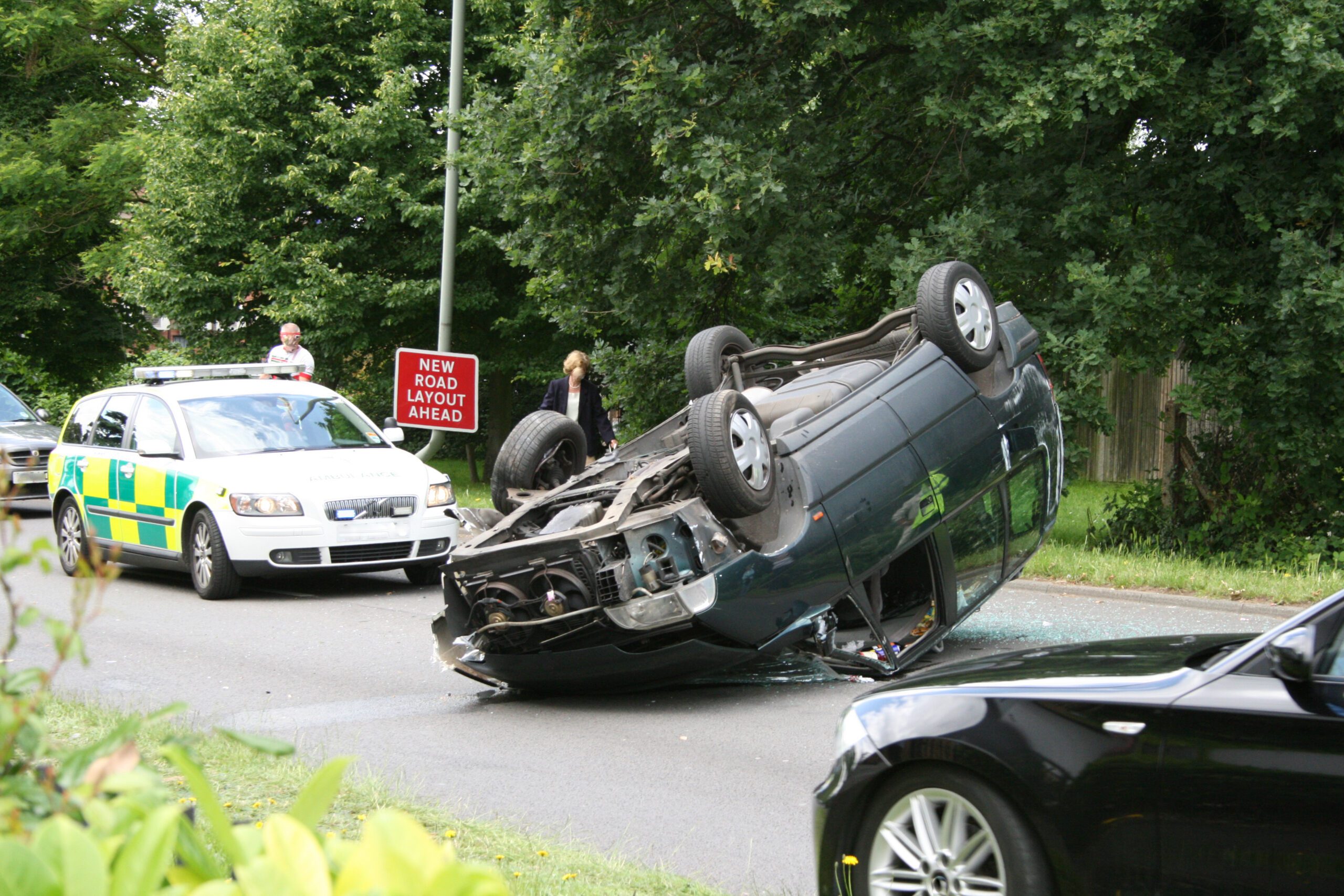
Three women from Detroit died in a Lodge Freeway crash early Sunday, November 1, 2026, after their vehicle left southbound M-10 near Wyoming Avenue, went airborne, and struck a concrete barrier.
Michigan State Police said alcohol and speed are suspected contributing factors. The circumstances remain under investigation.
What Happened in the Lodge Freeway Crash
Michigan State Police troopers responded at approximately 2 a.m. Sunday to a single-vehicle collision on southbound M-10 near Wyoming Avenue in Detroit.
According to the preliminary investigation, the driver was traveling southbound when she failed to negotiate a curve.
The vehicle left the freeway, traveled up an embankment and through shrubbery, and became airborne.
It then landed on the entrance ramp to southbound M-10 from Wyoming Avenue and struck a concrete barrier.
The driver and both passengers died from their injuries.
State police identified all three occupants as women from Detroit. Their names and ages had not been publicly released in the available reporting.
Investigators suspect alcohol and speed may have contributed to the collision, although their precise roles have not been established.
No other vehicles were reported to be involved.
Why Speed and Alcohol Make Freeway Curves Dangerous
Excessive speed can make it harder for a driver to maintain control while navigating a freeway curve.
When a vehicle travels too quickly for roadway conditions, the driver may have less time to react, steer, or brake safely.
If a vehicle leaves the roadway, nearby embankments, barriers, and other fixed objects may increase the severity of the resulting collision.
Alcohol impairment can create additional risks by affecting judgment, reaction time, coordination, and the ability to recognize dangerous situations.
These effects may make it more difficult to respond appropriately to changing roadway conditions.
Although Michigan State Police suspect speed and alcohol contributed to Sunday’s crash, the investigation has not established their exact involvement.
Alcohol-related crashes continue to cause serious harm throughout Michigan.
According to the Michigan State Police’s 2024 crash data release, 307 people died in alcohol-involved traffic crashes in Michigan during 2024, representing a 3 percent increase from the previous year.
Injuries in High-Speed Single-Vehicle Crashes
A Lodge Freeway crash involving a vehicle leaving the roadway and striking a fixed object can result in devastating injuries.
When a vehicle collides with a concrete barrier, occupants may experience substantial forces, depending on the speed, impact angle, and other circumstances.
Potential injuries in severe single-vehicle crashes include:
- Traumatic brain injuries: Sudden impacts can cause significant injuries to the brain.
- Spinal cord injuries: Severe forces may damage the spinal cord or surrounding structures.
- Chest and abdominal trauma: Occupants may suffer injuries to internal organs, ribs, and surrounding tissue.
- Multiple fractures: Arms, legs, the pelvis, and other bones may be injured.
- Internal bleeding: Serious internal injuries may occur even when external injuries are not immediately apparent.
Seat belts and airbags can reduce certain injury risks, but they cannot prevent every fatality in a severe collision.
In Sunday’s crash, all three women died from their injuries.
Michigan Law After a Fatal Alcohol-Related Crash
Michigan law addresses impaired driving, automobile insurance benefits, wrongful death claims, and potential liability involving unlawful alcohol service.
The following information explains general legal principles and does not establish the cause of Sunday’s collision or the availability of a particular claim.
Drunk Driving and Speed Laws
Under MCL 257.625, Michigan generally prohibits operating a motor vehicle while under the influence of alcohol or with an alcohol concentration of 0.08 or higher.
The statute also addresses impairment involving controlled substances and other intoxicating substances.
Michigan’s basic speed law, MCL 257.627, requires motorists to drive at a careful and prudent speed appropriate for traffic, roadway conditions, and other circumstances.
Drivers must also comply with applicable stopping-distance requirements.
Investigators have not established whether any particular violation of these laws occurred in Sunday’s collision.
No-Fault Benefits for Families
Michigan’s no-fault insurance system may provide benefits following a fatal motor vehicle collision, including crashes involving only one vehicle.
Under MCL 500.3105, personal protection insurance (PIP) benefits generally apply without regard to fault when statutory requirements are satisfied.
MCL 500.3107 addresses qualifying funeral and burial expense benefits, subject to applicable statutory provisions and coverage limits.
Under MCL 500.3108, qualifying dependents of a person killed in a motor vehicle accident may also receive survivor’s loss benefits.
The responsible insurer, eligibility requirements, and available benefits depend on the circumstances and applicable Michigan law.
Understanding Survivor’s Loss Benefits
Survivor’s loss benefits are intended to help qualifying dependents following the death of someone who provided financial support or household services.
These benefits may include certain contributions of tangible value the deceased person would have provided if they had survived.
Examples may include lost financial support and qualifying expenses associated with replacing ordinary household services.
However, survivor’s loss benefits are subject to statutory limits on the amount and duration of payments.
Eligibility also depends on Michigan’s dependency requirements, which may present additional questions involving adult children, blended families, or other household arrangements.
Families may need to provide documentation showing the deceased person’s financial contributions and the services they performed.
Reporting the death to the appropriate automobile insurer and preserving relevant records can help families evaluate potential benefits.
Claims for Passengers’ Families
When passengers die because of another driver’s negligence, their estates may have claims for qualifying damages.
Under MCL 500.3135, Michigan law allows certain claims for noneconomic losses when a motor vehicle collision causes death, serious impairment of body function, or permanent serious disfigurement.
Michigan’s wrongful death statute, MCL 600.2922, permits the personal representative of a deceased person’s estate to pursue a wrongful death action when the death resulted from another party’s wrongful act, neglect, or fault and the applicable legal requirements are met.
The death of a potentially responsible driver does not automatically prevent a claim involving that driver’s estate.
However, whether automobile liability insurance provides coverage depends on the policy, applicable law, and circumstances.
Michigan’s comparative fault provisions, including MCL 600.2959, may also affect recoverable damages.
Many wrongful death claims based on negligence are subject to a three-year limitations period under MCL 600.5805.
However, the applicable deadline depends on the underlying cause of action and any relevant statutory exceptions.
Families can learn more about wrongful death claims in Michigan.
When a Bar or Restaurant Served the Driver
Michigan’s dram shop law may provide a potential claim when a licensed business unlawfully furnishes alcohol and that furnishing contributes to an injury or death.
Under MCL 436.1801, qualifying claims may arise when a licensed establishment furnishes alcohol to a minor or a visibly intoxicated person and that unlawful furnishing is a proximate cause of the resulting injury or death.
These claims are subject to specific legal requirements and defenses.
Michigan dram shop claims generally must be filed within two years.
The statute also requires written notice to the licensed establishment within 120 days after the injured person enters into an attorney-client relationship for purposes of pursuing the claim, subject to the statute’s requirements.
The intoxicated person generally cannot recover under the dram shop provision for injuries resulting from their own intoxication.
Investigators have not confirmed where the driver in Sunday’s collision had been before the crash, whether alcohol was purchased or served, or whether any business unlawfully furnished alcohol.
Therefore, the available reporting does not establish that a dram shop claim exists.
Our guide to Michigan’s dram shop law explains the legal requirements in greater detail.
What Families Can Do After a Fatal Crash
Families coping with a fatal collision may face difficult decisions about insurance, legal matters, and obtaining information from investigators.
Several steps may help preserve important records and clarify available options.
- Stay in contact with investigators. Ask how to obtain the Michigan State Police crash report once it becomes available.
- Notify the appropriate insurers. Report the death and request information about potential funeral, burial, and survivor’s loss benefits.
- Preserve financial records. Keep funeral expenses, medical bills, insurance correspondence, and other relevant documentation.
- Identify potential evidence. Information about the events preceding the collision may become relevant if additional legal questions arise.
- Act promptly when necessary. Certain insurance and liability claims have deadlines, and evidence may become unavailable over time.
- Seek assistance with complicated matters. A trusted family member or attorney may help organize documents and communications.
The appropriate steps depend on the family’s circumstances and the information established through the investigation.
Preventing Alcohol-Related Crashes
Motorists and passengers can take several precautions to reduce the risk of serious crashes involving alcohol or excessive speed.
- Arrange a sober ride. Designate a driver, use a rideshare service, or make other transportation arrangements before drinking.
- Avoid riding with an impaired driver. Choose another way home when a driver may be affected by alcohol or other substances.
- Help others find safe transportation. Encourage friends and family members to avoid driving while impaired.
- Reduce speed near curves and ramps. Adjust driving speed to roadway conditions and available visibility.
- Wear a seat belt. Proper seat belt use reduces the risk of serious injuries in many types of collisions.
A Michigan car accident lawyer can help families understand potential insurance benefits and legal options following a fatal crash.
Frequently Asked Questions
What benefits are available to families after a fatal crash in Michigan?
Michigan’s no-fault system may provide qualifying funeral and burial expense benefits and survivor’s loss benefits for eligible dependents, subject to statutory requirements and coverage limits. Depending on the circumstances, families may also have potential wrongful death or other liability claims.
Can a passenger’s family file a claim if the driver was also killed?
Possibly. When a passenger dies because of another driver’s negligence, the passenger’s estate may have a claim for qualifying damages. The driver’s death does not automatically eliminate potential liability, but the availability of insurance coverage depends on the policy and applicable law.
What are survivor’s loss benefits in Michigan?
Survivor’s loss benefits are Michigan no-fault benefits available to qualifying dependents after a motor vehicle death. They may provide compensation for certain financial contributions and replacement household services, subject to statutory limits and dependency requirements.
What is Michigan’s dram shop law?
Michigan’s dram shop law may allow qualifying claims against licensed establishments that unlawfully furnish alcohol to a minor or visibly intoxicated person when that furnishing is a proximate cause of an injury or death. Claims generally must be filed within two years, and the statute includes a written notice requirement tied to the attorney-client relationship.
What is the legal blood alcohol limit in Michigan?
Michigan generally prohibits operating a motor vehicle with an alcohol concentration of 0.08 or higher. Driving while under the influence of alcohol or other prohibited intoxicating substances may also violate Michigan law, regardless of whether a driver reaches that threshold.
How long does a family have to file a wrongful death lawsuit in Michigan?
Many wrongful death claims based on negligence are subject to a three-year limitations period, although the applicable deadline depends on the underlying claim and statutory exceptions. Dram shop claims generally have a two-year filing deadline, while no-fault benefits have separate notice and filing requirements.
Our thoughts are with the families and friends of the three Detroit women who lost their lives in Sunday’s Lodge Freeway crash.
Losing a loved one in a sudden collision can leave families facing grief, unanswered questions, and complicated insurance matters.
The attorneys at Macomb County Accident Attorneys help families throughout Metro Detroit understand their legal rights and options following fatal motor vehicle accidents.
If your family has questions about insurance benefits, a potential wrongful death claim, or another legal concern, contact our office to discuss your circumstances.
Source: ClickOnDetroit
Note: Our law office relies on external sources for the content of this post. Although we aim for accuracy, we have not independently verified all facts related to this incident. Please notify Mihelich & Kavanaugh, PLC for corrections if you identify any inaccuracies. Posts will be removed upon request.
Disclaimer: The content of this post is intended for informational purposes only and does not constitute a solicitation for business. The information contained herein is not intended to offer legal or medical advice. If you or someone you care about has been injured in an accident, it is recommended to seek immediate medical assistance. The photo featured in this post was not taken at the actual scene of the accident.
Map of southbound Lodge Freeway (M-10) near the Wyoming Avenue entrance ramp in Detroit, Michigan, where three women were killed in a single-vehicle crash on November 1, 2026.