

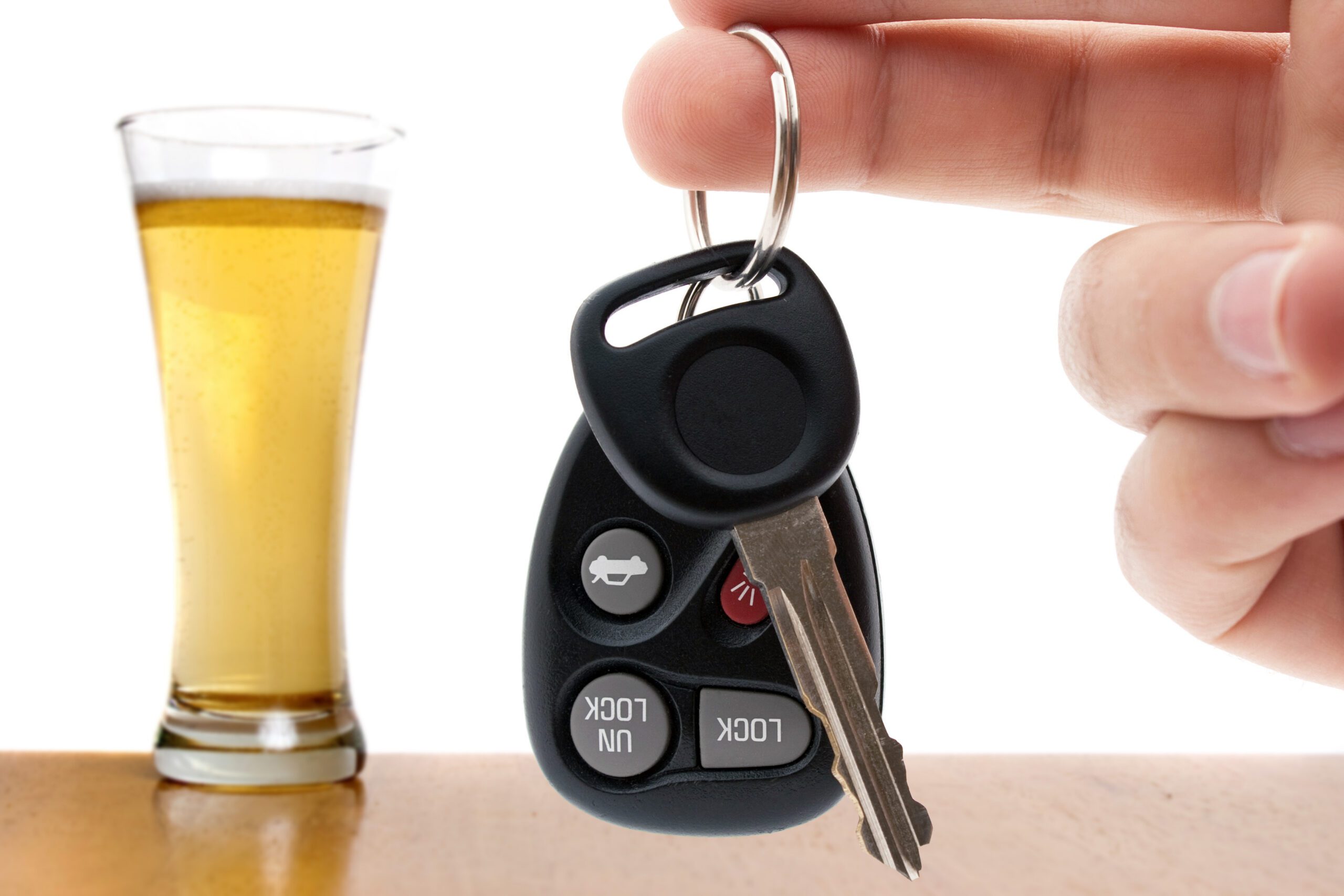
Michigan’s Dram Shop Law: When Bars and Restaurants Can Be Held Responsible for Drunk Driving Crashes

When an impaired driver causes a crash, attention naturally turns to the person behind the wheel. However, in certain circumstances, a bar, restaurant, or other licensed business that unlawfully served alcohol to that person may also face legal responsibility.
The Michigan dram shop law allows qualifying individuals injured by a minor or visibly intoxicated person to pursue claims against a retail liquor licensee when unlawful alcohol service contributed to their injuries.
For families in Warren, Sterling Heights, Clinton Township, and throughout Macomb County, understanding these rules can be especially important as Halloween celebrations and the holiday party season approach.
Alcohol-related collisions remain a serious concern across Michigan. According to the Michigan State Police’s 2024 crash data release, alcohol-involved crashes resulted in 307 deaths statewide in 2024, a three percent increase from the previous year.
What Is Michigan’s Dram Shop Law?
A dram shop is an older term for a business that sells alcoholic beverages.
Dram shop laws establish circumstances in which a licensed alcohol seller may face civil liability for injuries caused by someone who was unlawfully served alcohol.
Michigan’s dram shop provisions are found in the Michigan Liquor Control Code under MCL 436.1801.
The statute generally prohibits retail liquor licensees and their clerks, agents, and employees from selling, furnishing, or giving alcoholic liquor to:
- A minor, except as otherwise permitted by the liquor code.
- A person who is visibly intoxicated.
When a prohibited sale or furnishing of alcohol is established and that violation was a proximate cause of an injury, death, or qualifying damage, the statute may allow a civil claim against the licensee.
However, a business does not automatically become liable simply because a customer later causes a drunk driving collision.
The claimant must establish the elements required by Michigan law.
Who Can Bring a Dram Shop Claim?
Under MCL 436.1801, a person who suffers injury or damage because of a minor or visibly intoxicated person may have a claim against a retail liquor licensee that unlawfully served that individual.
The statute also addresses certain claims involving the injured person’s spouse, child, parent, or guardian.
However, a family relationship alone does not automatically establish entitlement to compensation. The claimant must satisfy the applicable statutory requirements and demonstrate legally recognized damages.
In drunk driving cases, potential claimants may include:
- Drivers and passengers injured in a collision caused by someone who was unlawfully served alcohol.
- Pedestrians and bicyclists injured by an impaired motorist.
- Qualifying family members seeking damages following a serious injury or fatal collision.
The statute also establishes important limitations.
A person alleged to have been visibly intoxicated does not have a cause of action under the dram shop provision based on that intoxication.
Michigan law also restricts certain claims seeking damages for the loss of the intoxicated person’s financial support, services, companionship, or guidance.
These limitations distinguish claims brought by people harmed by an intoxicated individual from claims brought by the intoxicated individual or those seeking recovery for that person’s losses.
What Must Be Proven in a Dram Shop Case?
Michigan dram shop claims require evidence connecting unlawful alcohol service to the resulting injury or damage.
Generally, a claimant must establish that:
- A retail liquor licensee sold, furnished, or gave alcoholic liquor to the person whose conduct caused the injury.
- The person was a minor or visibly intoxicated when the prohibited service occurred.
- The unlawful service was a proximate cause of the injury, death, or qualifying damage.
These requirements are particularly important when a claim involves a visibly intoxicated adult.
A driver’s intoxication at the time of a crash does not, by itself, establish that the person was visibly intoxicated when alcohol was served.
Visible intoxication concerns outward signs that could be observed at the relevant time.
Potential evidence may include slurred speech, difficulty walking, impaired coordination, or other observable behavior.
Investigators may also examine:
- Witness statements from employees and other customers.
- Receipts, transaction records, and bar tabs.
- Available surveillance footage.
- The timing and amount of alcohol served.
- Evidence establishing the person’s behavior before leaving the business.
The strength of a claim depends on whether the available evidence satisfies the legal requirements, not simply whether the driver was later arrested or charged with impaired driving.
The Last-Server Presumption and Identification Defense
Michigan’s dram shop statute includes additional provisions that can affect which businesses may be held responsible.
Under MCL 436.1801, a rebuttable presumption applies concerning the last retail liquor licensee that sold, furnished, or gave alcoholic liquor to the minor or visibly intoxicated person.
The presumption generally places responsibility for the statutory violation on the last-serving licensee rather than automatically treating every establishment visited as responsible.
However, the presumption may be overcome by sufficient evidence.
For example, records and witness testimony may help establish whether another licensee also violated the statute.
Michigan law also provides a statutory defense involving certain sales to minors when the licensee or its employees relied on qualifying identification under the conditions established by the statute.
That defense depends on the specific identification presented, the circumstances of the transaction, and compliance with the statutory requirements.
Simply checking an identification card does not automatically eliminate liability in every situation.
Strict Deadlines for Michigan Dram Shop Claims
Dram shop lawsuits have specific procedural requirements that differ from many ordinary personal injury claims.
Two requirements are particularly important.
Two-Year Filing Deadline
Under MCL 436.1801, a dram shop action generally must be filed within two years after the injury or death.
This is shorter than the three-year limitations period commonly applicable to negligence-based personal injury claims under MCL 600.5805.
120-Day Written Notice Requirement
The dram shop statute also requires written notice to the defendants within 120 days after the injured person enters into an attorney-client relationship for the purpose of pursuing a claim under the statute.
The statute provides an exception when sufficient information to identify the defendant could not reasonably have been obtained within the notice period.
Because compliance depends on the statutory requirements and circumstances, injured individuals should seek guidance promptly.
The Minor or Intoxicated Person Must Be Included
Michigan law generally requires the minor or alleged visibly intoxicated person to be named as a defendant in the dram shop action and retained in the case until it is resolved by trial or settlement.
Failure to satisfy applicable procedural requirements can affect whether the claim may proceed.
Prompt investigation is also important because surveillance recordings, transaction records, and witness recollections may become more difficult to obtain over time.
How Dram Shop Claims Fit With Other Accident Claims
A dram shop claim may be one component of a larger legal matter following a serious drunk driving collision.
Michigan’s no-fault insurance system may provide qualifying personal protection insurance benefits for injuries arising out of covered motor vehicle accidents.
Depending on the circumstances and available coverage, those benefits may include medical expenses, wage loss, and certain other covered losses.
Which insurer is responsible depends on Michigan’s applicable insurance priority rules.
In addition, an injured person may have a separate claim against a legally responsible driver.
Under MCL 500.3135, noneconomic damages may be available when the statutory requirements are satisfied, including cases involving death, serious impairment of body function, or permanent serious disfigurement.
Michigan’s comparative fault provisions, including MCL 600.2959, may also affect recoverable damages, depending on the nature of the claim and the allocation of responsibility.
The dram shop statute generally provides the exclusive civil remedy against a retail liquor licensee for damages arising from the unlawful furnishing of alcohol to a minor or visibly intoxicated person.
It also contains an indemnification provision concerning a licensee held liable for unlawfully serving a visibly intoxicated person.
A Macomb County car accident lawyer can help injured individuals understand how potential dram shop claims, no-fault benefits, and other liability claims may interact.
Families who have lost a loved one can also learn more about wrongful death claims in Michigan.
What About Alcohol Served at Private Parties?
Michigan’s dram shop statute applies to retail liquor licensees, including qualifying bars, restaurants, and stores that sell alcoholic beverages.
It does not automatically impose the same liability rules on private individuals hosting gatherings at their homes.
Claims involving private hosts are governed by separate legal principles and may be subject to significantly narrower circumstances.
For example, potential liability may depend on whether alcohol was unlawfully furnished to a minor and whether other applicable legal requirements are satisfied.
An adult host does not automatically become legally responsible for every accident involving a guest who consumed alcohol at a private gathering.
The circumstances of the alcohol service, the guest’s age, and the applicable law all matter.
Steps to Take After a Crash Involving a Drunk Driver
After a suspected impaired driving collision, the immediate priority should be the safety and medical needs of everyone involved.
Several additional steps may help preserve information relevant to a potential claim.
- Seek appropriate medical care. Obtain immediate treatment for serious injuries and follow medical recommendations.
- Request the police report. The report may contain information about suspected impairment, the driver’s statements, and other circumstances surrounding the collision.
- Document known details. Preserve any reliable information about where the driver may have consumed alcohol before the crash.
- Identify potential witnesses. People who observed the driver’s behavior before the collision may have relevant information.
- Preserve available evidence. Receipts, photographs, witness information, and surveillance footage may become important.
- Seek legal guidance promptly. Dram shop claims involve specific filing and notice requirements that may affect the ability to pursue compensation.
Michigan’s operating while intoxicated law, MCL 257.625, generally prohibits driving with a bodily alcohol content of 0.08 or higher for adult drivers, as well as other forms of impaired operation covered by the statute.
Our previous report about a drunk driving wrong-way crash in Macomb County illustrates the dangers associated with impaired driving.
Staying Safe During Halloween and the Holiday Season
Halloween gatherings, holiday celebrations, and late-night events can create situations in which people must make decisions about alcohol and transportation.
Planning ahead can reduce the risk of impaired driving.
- Arrange transportation before drinking. Choose a designated driver, rideshare service, or another safe way home.
- Encourage impaired friends to avoid driving. Offer to help arrange a sober ride or involve a trusted person who can assist.
- Avoid confrontations. If someone insists on driving while impaired, prioritize personal safety and contact authorities when necessary.
- Watch for dangerous driving behavior. If you observe a driver who appears to pose an immediate danger, contact 911 when it is safe to do so.
- Host gatherings responsibly. Provide food and nonalcoholic beverages, help guests arrange transportation, and never unlawfully furnish alcohol to minors.
These precautions cannot prevent every collision, but they can help reduce foreseeable risks during celebrations.
Frequently Asked Questions
Can I sue a bar for a drunk driving crash in Michigan?
Possibly. Michigan’s dram shop law may allow a qualifying injured person to bring a claim against a retail liquor licensee that unlawfully served alcohol to a minor or visibly intoxicated person when that service was a proximate cause of the injury or death. The statutory requirements must be satisfied.
How long do I have to file a dram shop claim in Michigan?
A dram shop lawsuit generally must be filed within two years after the injury or death. The statute also requires written notice within 120 days after entering an attorney-client relationship for the purpose of pursuing the dram shop claim, subject to the statutory exception concerning information needed to identify a defendant.
Can a drunk driver sue the bar that served them?
Michigan’s dram shop statute does not provide a cause of action to the person alleged to have been visibly intoxicated based on that intoxication. The statute is intended to provide a remedy for qualifying people harmed by unlawful alcohol service.
Is every bar that served the driver responsible?
Not necessarily. Michigan law establishes a rebuttable presumption concerning the last retail liquor licensee that served the minor or visibly intoxicated person. The presumption may be overcome with sufficient evidence, and liability depends on the statutory requirements.
Do dram shop laws apply to house parties in Michigan?
Michigan’s dram shop statute generally applies to retail liquor licensees rather than private hosts. Potential claims involving private gatherings are governed by separate and more limited legal rules, including circumstances involving alcohol furnished to minors.
Drunk driving collisions can leave injured individuals and families facing medical expenses, lost income, and lasting consequences.
When a retail liquor licensee unlawfully serves alcohol under circumstances covered by Michigan’s dram shop statute, the law may provide an additional avenue for pursuing accountability.
The attorneys at Macomb County Accident Attorneys help individuals and families throughout Macomb County understand their legal options following serious motor vehicle accidents.
If you have questions about a suspected impaired driving collision or a potential dram shop claim, contact our office to discuss your circumstances.
Note: Our law office relies on external sources for the content of this post. Although we aim for accuracy, we have not independently verified all facts related to this incident. Please notify Mihelich & Kavanaugh, PLC for corrections if you identify any inaccuracies. Posts will be removed upon request.
Disclaimer: The content of this post is intended for informational purposes only and does not constitute a solicitation for business. The information contained herein is not intended to offer legal or medical advice. If you or someone you care about has been injured in an accident, it is recommended to seek immediate medical assistance. The photo featured in this post was not taken at the actual scene of the accident.