

Michigan’s Mini-Tort Law: How Macomb County Drivers Can Recover Vehicle Damage After a Crash

Michigan’s no-fault insurance system handles vehicle damage differently from injuries. After a crash, drivers may discover that their own insurance does not cover the full cost of repairs and that Michigan law generally limits claims against other drivers for damage to moving vehicles.
The Michigan mini-tort provides an important exception. Under certain circumstances, drivers in Warren, Sterling Heights, Clinton Township, and throughout Macomb County may recover a portion of their uninsured vehicle damage from a driver who was responsible for the collision.
According to the Michigan State Police’s 2024 crash data release, Michigan recorded 288,880 traffic crashes in 2024. Vehicle damage is a common consequence of collisions, and understanding available insurance coverage can help drivers manage unexpected repair expenses.
What Is the Michigan Mini-Tort?
Michigan’s mini-tort law is found in MCL 500.3135.
It allows qualifying vehicle owners to recover certain damages to their motor vehicles from a legally responsible driver, subject to statutory limitations.
The mini-tort generally applies to vehicle damage that is not covered by insurance.
The maximum recovery depends on when the collision occurred:
- Crashes on or after July 1, 2020: Up to $3,000 in qualifying vehicle damage.
- Crashes before July 1, 2020: The previous statutory limit was $1,000.
The $3,000 limit is a maximum, not an automatic payment.
The amount a person may recover depends on the extent of uninsured vehicle damage, the other driver’s share of fault, and whether the claim satisfies Michigan’s legal requirements.
For example, a driver with a $1,000 collision deductible may be able to recover that amount through the mini-tort if another driver was legally responsible for the damage.
What Can Michigan’s Mini-Tort Cover?
The mini-tort is intended to address certain vehicle damage expenses that are not covered by insurance.
Depending on the circumstances, a qualifying claim may involve:
- Collision deductibles: If your insurance company pays for repairs but subtracts a deductible, that unpaid amount may be recoverable.
- Repairs without collision coverage: If you do not carry collision coverage, the mini-tort may allow you to recover a portion of qualifying repair expenses from an at-fault driver.
- Other uncovered vehicle damage: Certain additional vehicle damage expenses may qualify when they are not covered by insurance and the statutory requirements are satisfied.
Mini-tort recovery remains subject to the applicable dollar limit and comparative fault rules.
It is also important to distinguish vehicle damage claims from personal injury claims.
Michigan’s personal protection insurance (PIP) system, governed in part by MCL 500.3105, provides qualifying benefits for injuries arising out of covered motor vehicle accidents.
Separate claims for noneconomic damages, such as pain and suffering, may be available under MCL 500.3135 when the statutory injury threshold and other legal requirements are satisfied.
The mini-tort does not replace either of those potential claims.
Who Can File a Mini-Tort Claim in Michigan?
Michigan law establishes several conditions for recovering mini-tort damages under MCL 500.3135.
Fault affects recovery. Mini-tort damages are assessed according to comparative fault. If the person seeking compensation shares responsibility for the collision, the amount recoverable may be reduced.
A person found more than 50 percent at fault generally cannot recover mini-tort damages.
Required vehicle insurance matters. Michigan law prohibits mini-tort recovery when the damaged vehicle was being operated without the security required by the state’s no-fault insurance law at the time of the collision.
Small claims court may be required. Mini-tort lawsuits generally must begin in the small claims division of district court when legally possible.
A mini-tort judgment does not determine every other claim. A decision involving mini-tort damages does not necessarily resolve separate claims arising from the same collision, such as a personal injury lawsuit.
Drivers can learn more about mandatory coverage through our guide to what auto insurance Michigan law requires.
Common Mini-Tort Situations in Macomb County
Mini-tort claims may arise from rear-end collisions, sideswipes, intersection crashes, and other accidents involving vehicle damage.
The following examples illustrate how the law may apply.
Rear-End Collision on Hall Road
A driver is stopped at a traffic light when another vehicle strikes their car from behind.
The driver’s collision insurance covers the repairs, but the policy includes a $1,000 deductible.
If the other motorist is legally responsible for the collision, the driver may be able to recover the $1,000 deductible through a mini-tort claim.
Sideswipe Collision on I-696
A driver without collision coverage is involved in a sideswipe accident, resulting in $4,500 in vehicle damage.
If another driver is entirely responsible and the statutory requirements are satisfied, the vehicle owner may be able to recover up to $3,000 through the mini-tort.
The remaining damage would not be recoverable through the mini-tort provision.
Parking Lot Collision With Shared Fault
Two vehicles collide in a parking lot, and the evidence establishes that both drivers contributed to the accident.
If the person seeking mini-tort damages is found 30 percent responsible, their potential recovery may be reduced according to that percentage.
The final amount also depends on the uninsured damage and statutory limit.
Collision Involving a Mostly At-Fault Driver
A driver is found 60 percent responsible for a collision.
Because that driver’s share of fault exceeds 50 percent, Michigan’s mini-tort rules generally prevent them from recovering damages under this provision.
The other driver may have a potential mini-tort claim, depending on the circumstances.
These examples are simplified illustrations. Actual claims depend on the evidence, applicable insurance coverage, and the allocation of fault.
How to Pursue a Michigan Mini-Tort Claim
Many mini-tort claims can be resolved through insurance communications without filing a lawsuit.
However, drivers should document their losses and understand the steps involved.
1. Obtain the Police Report
Request the crash report from the investigating law enforcement agency.
The report may contain identifying information about the drivers, vehicles, insurance coverage, and circumstances of the collision.
Police observations can provide useful evidence, although the report does not necessarily establish legal fault by itself.
2. Document Your Vehicle Damage
Keep repair estimates, invoices, photographs, and insurance payment statements.
If you paid a collision deductible, preserve documentation showing the amount.
Drivers without collision coverage should keep records of the repair costs or other evidence establishing the vehicle damage.
3. Contact the Responsible Driver or Insurer
A mini-tort demand may be directed to the legally responsible driver.
Some automobile insurance policies include limited property damage liability coverage that may respond to qualifying mini-tort claims.
If that coverage is available, the other driver’s insurance company may handle the claim.
Provide relevant documentation supporting the damage amount and basis for liability.
4. Ask Whether Your Insurer Can Assist
Some insurers offer assistance with mini-tort claims or provide forms that policyholders can use when seeking reimbursement.
The level of assistance depends on the insurer and policy.
5. Consider Small Claims Court
If the claim cannot be resolved voluntarily, filing a lawsuit may be necessary.
Michigan law generally requires mini-tort actions to begin in the small claims division of district court when legally possible.
Small claims procedures are designed to allow individuals to pursue eligible disputes without the complexity of ordinary civil litigation.
However, a case may be removed to the district court’s general civil division under applicable procedures, which can change how the matter proceeds.
The appropriate court depends on jurisdiction and venue requirements. The district court clerk can provide information about filing forms and procedural requirements.
Deadlines for Michigan Mini-Tort Claims
Mini-tort claims involve damage to property.
Under MCL 600.5805, many actions seeking compensation for property damage are subject to a three-year limitations period.
However, the applicable filing deadline depends on the circumstances and any relevant legal exceptions.
Drivers should not assume that every potential claim has an identical deadline.
Waiting can also make it more difficult to obtain witness statements, photographs, repair records, and other evidence.
It is generally advisable to begin documenting the damage and investigating the claim promptly rather than waiting until repairs are completed.
What About Damage to Other Property?
Michigan’s mini-tort provision addresses qualifying damage to motor vehicles.
Damage to other types of property may fall under different insurance rules.
Under MCL 500.3121, Michigan’s property protection insurance system provides qualifying coverage for accidental damage to tangible property arising out of the ownership, operation, maintenance, or use of a motor vehicle, without regard to fault.
This coverage may apply to certain situations involving damage to a building, fence, or other property.
However, MCL 500.3123 generally excludes damage to vehicles and their contents from property protection insurance, subject to statutory exceptions.
One important exception concerns certain parked vehicles.
For example, damage to a properly parked vehicle may qualify for property protection insurance when the statutory requirements are met and the vehicle was not parked in a manner that created an unreasonable risk of the damage.
Whether property protection insurance applies depends on the circumstances of the collision and the relevant statutory provisions.
When a Crash Also Causes Injuries
Vehicle damage is not always the only concern after a collision.
Drivers and passengers may also face medical expenses, lost income, and other consequences of their injuries.
Michigan’s no-fault system may provide qualifying PIP benefits for covered medical expenses, wage loss, and certain other losses.
Which insurer must provide those benefits depends on the injured person’s circumstances, available policies, and applicable insurance priority rules.
In some cases, an injured person may also have a separate claim against a legally responsible driver for noneconomic damages.
These claims involve requirements different from those governing the mini-tort.
No-fault PIP claims also have separate notice, filing, and recovery requirements under MCL 500.3145.
A Macomb County car accident lawyer can help injured individuals evaluate their available insurance benefits and potential claims following a collision.
Tips to Protect Your Mini-Tort Claim
Drivers can take several practical steps to preserve information that may be important when seeking reimbursement for vehicle damage.
- Exchange information after the collision. Obtain the other driver’s name, contact information, insurance details, and license plate number when it is safe to do so.
- Photograph the damage and scene. Document the vehicles, visible damage, roadway conditions, and other relevant details without placing yourself in danger.
- Report the crash when required. Contact law enforcement and comply with Michigan’s applicable accident reporting requirements.
- Keep repair and insurance records. Preserve estimates, invoices, payment statements, deductible information, and related correspondence.
- Avoid speculating about fault. Provide accurate information to police and insurers without guessing about the cause of the collision or accepting responsibility before the circumstances are understood.
Organizing these records early may make it easier to establish the amount of uninsured vehicle damage and support a potential mini-tort claim.
Frequently Asked Questions
How much can I recover under Michigan’s mini-tort law?
For qualifying crashes occurring on or after July 1, 2020, Michigan’s mini-tort law generally allows recovery of up to $3,000 in uninsured vehicle damage. The amount depends on the damage, the other driver’s share of fault, and applicable statutory requirements. The $3,000 limit is not an automatic payment.
Can I use the mini-tort to recover my collision deductible?
Often, yes. A collision deductible may qualify as an uninsured vehicle damage expense under Michigan’s mini-tort law. Recovery depends on fault and other legal requirements. Repair records and insurance payment statements can help document the amount.
Can I file a mini-tort claim if I was partly at fault?
Possibly. Michigan uses comparative fault principles when assessing mini-tort damages. A person who shares responsibility may receive a reduced amount. However, a person found more than 50 percent at fault generally cannot recover under the mini-tort.
Where do I file a mini-tort lawsuit in Michigan?
Michigan generally requires mini-tort lawsuits to begin in the small claims division of district court when legally possible. A case may proceed in the general civil division if it is removed under applicable court procedures. The appropriate court depends on jurisdiction and venue requirements.
Can I recover mini-tort damages if my car was not insured?
Michigan law generally prohibits mini-tort recovery when the damaged vehicle was being operated without the insurance required by the state’s no-fault law at the time of the collision. Whether the statutory prohibition applies depends on the circumstances.
Michigan’s mini-tort law can help drivers recover certain out-of-pocket vehicle damage expenses after a collision caused by another motorist.
Understanding the applicable limit, insurance requirements, and comparative fault rules can help Macomb County drivers determine whether they have a qualifying claim.
If your accident also involved injuries or a dispute over responsibility, the attorneys at Macomb County Accident Attorneys can help you understand your options under Michigan law.
You can contact our office to discuss your circumstances.
Note: Our law office relies on external sources for the content of this post. Although we aim for accuracy, we have not independently verified all facts related to this incident. Please notify Mihelich & Kavanaugh, PLC for corrections if you identify any inaccuracies. Posts will be removed upon request.
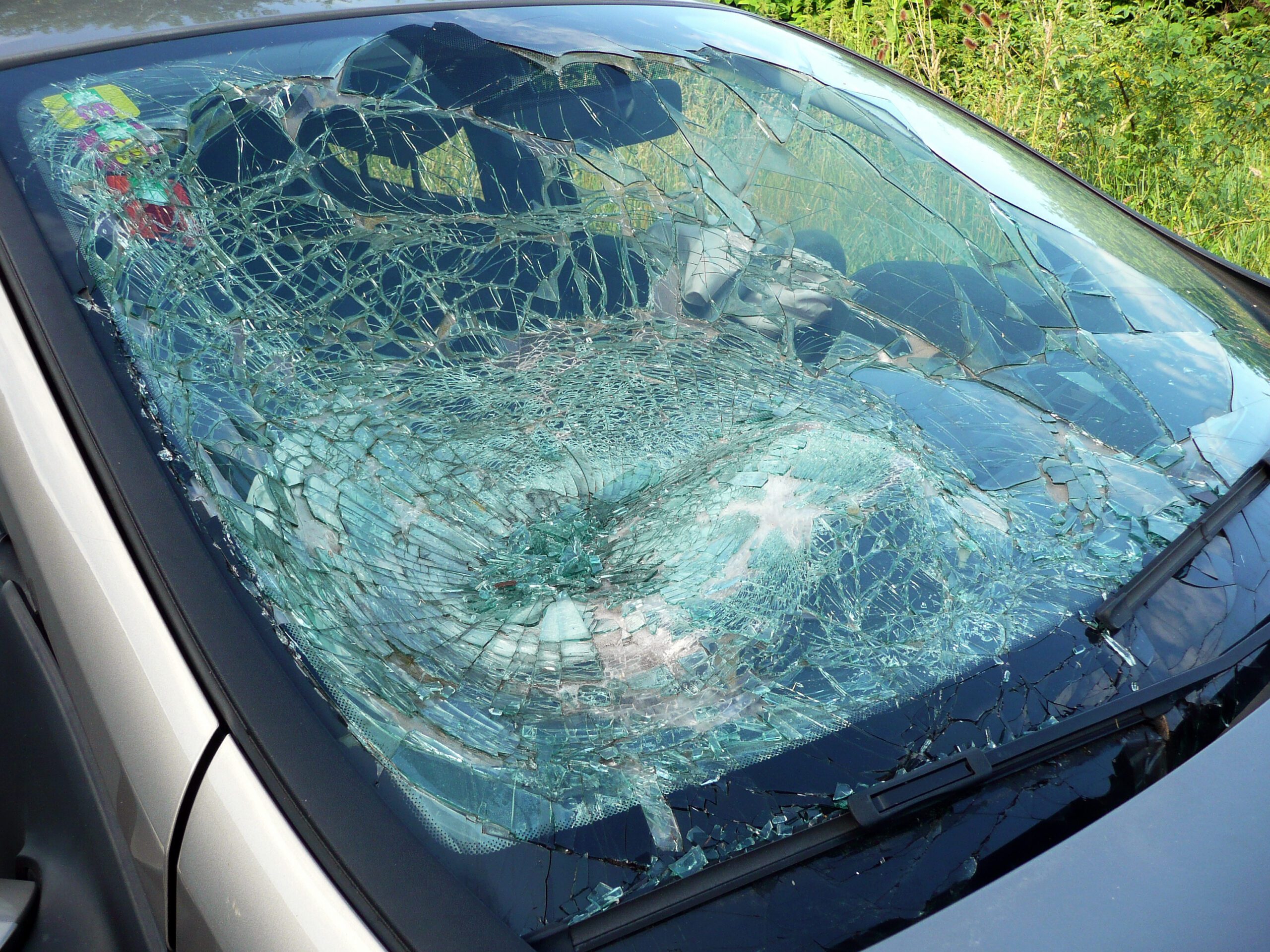
Disclaimer: The content of this post is intended for informational purposes only and does not constitute a solicitation for business. The information contained herein is not intended to offer legal or medical advice. If you or someone you care about has been injured in an accident, it is recommended to seek immediate medical assistance. The photo featured in this post was not taken at the actual scene of the accident.