

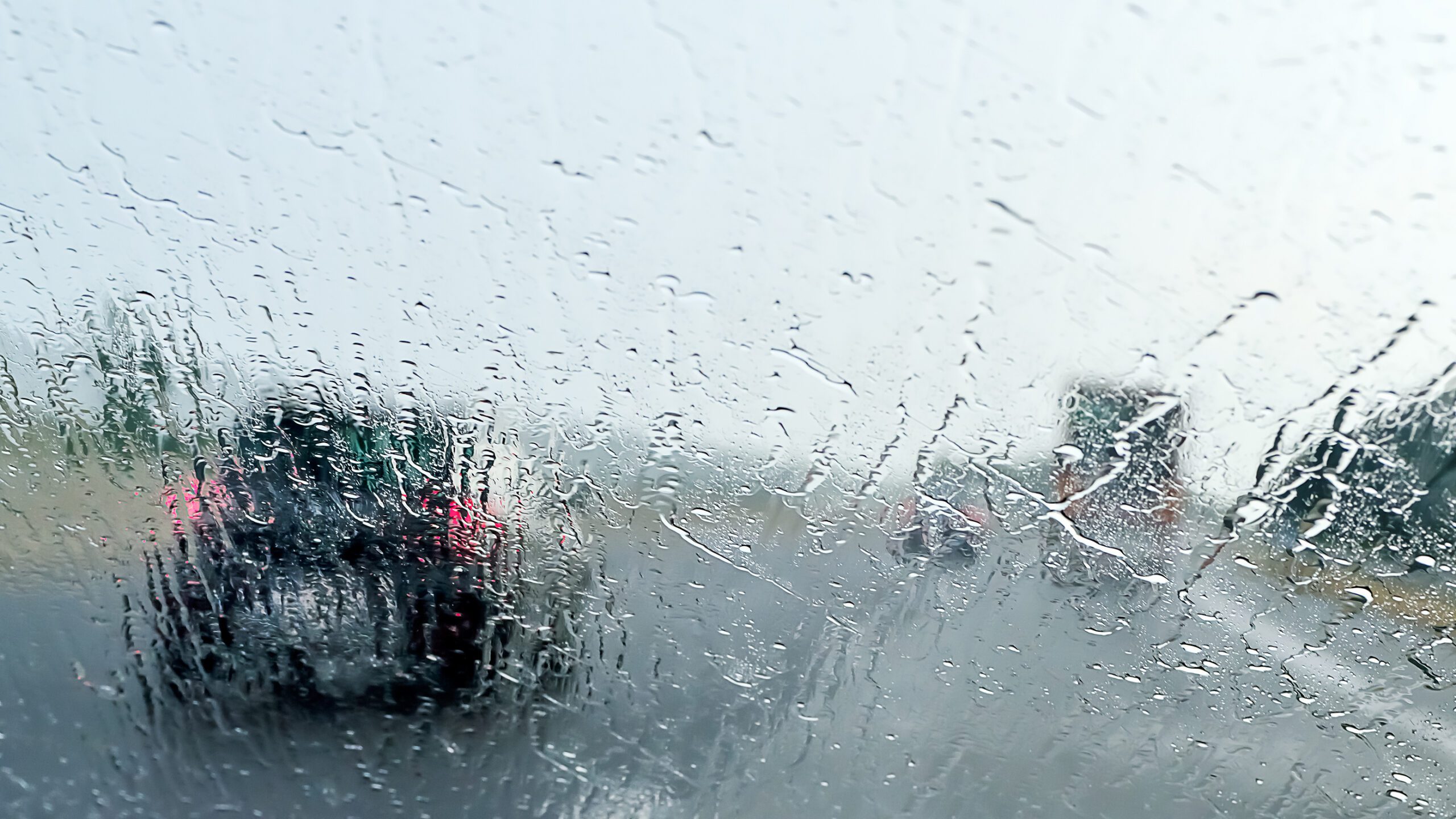
Fall Driving Hazards in Macomb County: Fog, Glare, Frost, and Early Darkness

Drivers across Macomb County face changing road conditions as temperatures drop and daylight hours grow shorter. From the tree-lined roads of Washington and Ray townships to the busy corridors of Warren and Sterling Heights, autumn brings hazards that can affect even familiar routes.
Fall driving hazards in Macomb County include wet leaves, low sun glare, morning fog, frost, and earlier darkness. These conditions can reduce visibility or traction, leaving drivers less time to recognize and respond to danger.
According to the Michigan State Police’s 2024 crash data release, Michigan recorded 288,880 traffic crashes and 1,099 traffic fatalities in 2024. Although those figures cover the entire year, they illustrate why safe driving habits matter in every season.
Wet Leaves Can Make Roads Slippery
Fallen leaves may seem harmless, but they can reduce tire traction when they collect on wet pavement. A layer of damp leaves can make braking and turning more difficult, particularly when drivers are traveling too quickly for the conditions.
Leaves can also conceal potholes, lane markings, curbs, and other roadway hazards.
These problems may be especially noticeable along curves, at intersections, and on residential streets where leaves accumulate near the edges of the road.
Drivers should reduce speed when necessary, avoid abrupt steering or braking, and leave additional following distance on leaf-covered pavement.
Sun Glare During Morning and Evening Commutes
As the sun sits lower in the sky during fall, drivers may experience strong glare during morning and evening commutes.
Many of Macomb County’s mile roads run primarily east to west. Drivers traveling along 12 Mile, 14 Mile, 16 Mile, Hall Road, and similar routes may encounter direct sunlight depending on the time of day and direction of travel.
Glare can make it difficult to recognize stopped vehicles, pedestrians, cyclists, and changing traffic signals.
Dirty or streaked windshields can make the problem worse by scattering sunlight and reducing visibility.
Keeping the windshield clean inside and out, using the sun visor, and wearing appropriate sunglasses may help reduce glare.
However, these measures do not replace the need to slow down when visibility becomes limited. If sunlight makes it impossible to see the roadway safely, drivers should find a safe location to pull over until visibility improves.
Morning Fog and the First Frost
Cool fall mornings can bring fog, particularly in low-lying areas and near bodies of water such as the Clinton River and Lake St. Clair.
Fog may develop unevenly, creating areas where visibility changes over a relatively short distance.
Drivers should use low-beam headlights when traveling through fog because high beams can reflect off moisture in the air and make visibility worse.
Reducing speed and increasing following distance can also provide more time to react to vehicles or other hazards ahead.
As temperatures approach freezing later in the season, frost and icy patches may develop on some road surfaces.
Bridges, overpasses, and shaded areas can cool more quickly than surrounding pavement, making them especially important places to watch for changing traction.
Drivers should allow enough time to remove frost from their windows before leaving and remain alert for slippery areas when temperatures are near or below freezing.
Earlier Sunsets and Darker Commutes
Daylight hours continue to shorten throughout the fall.
In 2026, daylight saving time ends on Sunday, November 1, when clocks move back one hour. This change means sunset will occur earlier by the clock, bringing darkness to more evening commutes.
Reduced visibility can make pedestrians, bicyclists, and children traveling home from school or activities more difficult to see.
Drivers should pay particular attention near intersections, crosswalks, bus stops, and residential neighborhoods.
Our guide to night driving dangers in Metro Detroit discusses additional precautions for traveling after dark.
Fall also brings increased deer activity, especially around dawn and dusk.
Our guide to deer crashes in Macomb County explains common risks and steps drivers can take to reduce the chance of a collision.
Harvest Season and Slow-Moving Farm Equipment
Northern Macomb County includes agricultural areas where harvest season brings tractors, combines, and other farm equipment onto local roads.
Drivers traveling through Ray, Armada, Bruce, and Lenox townships may encounter machinery moving substantially slower than surrounding traffic.
Some equipment is also wider than a typical passenger vehicle and may require additional room when turning or traveling along narrow roads.
A driver approaching a slow-moving tractor over a hill or around a curve may have less time to react than expected.
The orange triangular slow-moving vehicle emblem helps identify machinery that operates at lower speeds.
Drivers should reduce speed, maintain adequate following distance, and avoid passing unless they can clearly see that the maneuver is safe and lawful.
It is also important to watch for equipment turning into fields or driveways.
Mud and agricultural debris near farm entrances may create additional traction concerns, particularly during or after rainfall.
Michigan Laws That Apply to Fall Driving Conditions
Michigan traffic laws require drivers to account for roadway and visibility conditions, even when traveling below the posted speed limit.
Two important provisions address safe speed and the use of headlights.
Driving at a Safe Speed for Conditions
Under Michigan’s basic speed law, MCL 257.627, drivers must operate at a careful and prudent speed, taking into account traffic, road conditions, and other relevant circumstances.
The statute also requires drivers to maintain a speed that allows them to stop within the assured clear distance ahead.
A posted speed limit does not necessarily represent a safe speed during fog, heavy rain, reduced visibility, or slippery road conditions.
For example, a driver traveling at the posted limit on a road covered with wet leaves may still be operating too quickly if the conditions require a lower speed.
Whether a driver violated the law depends on the particular circumstances of the incident.
When Michigan Law Requires Headlights
Under MCL 257.684, Michigan drivers must use their headlights from one-half hour after sunset until one-half hour before sunrise.
Headlights are also required at other times when there is insufficient light to clearly distinguish people and vehicles on the highway at a distance of 500 feet ahead.
These requirements may apply during foggy mornings, heavy rain, and other conditions that significantly reduce visibility.
The law also prohibits using only parking lights when headlights are required.
Drivers should not wait until it is completely dark to consider whether their headlights are necessary.
If You Are Injured in a Fall Weather Crash
Rain, fog, glare, or other weather conditions do not automatically excuse negligent driving.
Motorists are expected to adjust their driving to the conditions they encounter. When a collision occurs, investigators and insurers may examine vehicle speed, visibility, following distance, and other relevant circumstances.
Michigan’s no-fault insurance system may provide personal protection insurance (PIP) benefits to people injured in qualifying motor vehicle accidents.
Under MCL 500.3105, qualifying PIP benefits are available for accidental bodily injuries arising out of the ownership, operation, maintenance, or use of a motor vehicle, without regard to fault.
These benefits may include covered medical expenses and other qualifying losses.
However, the insurer responsible for providing benefits depends on the injured person’s circumstances, available policies, and Michigan’s applicable insurance priority rules.
An injured person should not assume that their own insurance company is necessarily responsible for every benefit.
In some cases, an injured person may also pursue a claim against an at-fault driver.
Under MCL 500.3135, noneconomic damages, including pain and suffering, may be recoverable when a motor vehicle accident results in death, serious impairment of body function, or permanent serious disfigurement.
Michigan’s comparative fault provisions, including MCL 600.2959, may affect compensation when more than one party shares responsibility.
Damages may be reduced according to the injured person’s percentage of fault. In certain actions, a person found more than 50 percent at fault may be barred from recovering noneconomic damages, while different rules may apply to economic losses.
Many negligence-based personal injury lawsuits are subject to a three-year limitations period under MCL 600.5805.
However, the applicable deadline depends on the type of claim and any relevant exceptions.
No-fault PIP claims have separate notice, filing, and recovery requirements under MCL 500.3145.
A Macomb County car accident lawyer can help injured individuals understand how these laws may apply to their circumstances.
What to Do After a Crash in Poor Conditions
After a collision involving fog, rain, slippery pavement, or reduced visibility, immediate safety and medical needs should come first.
Several additional steps may help preserve information about the accident.
- Move to a safe location when possible. If the vehicle can be moved safely and doing so is appropriate, get out of active traffic and use hazard lights to alert approaching drivers.
- Contact police. Report the collision as required and provide accurate information about the roadway and weather conditions.
- Document the scene. When safe, photograph wet pavement, fallen leaves, fog, roadway markings, vehicle damage, and other relevant details before conditions change.
- Seek medical attention. Some injuries, including concussions and neck injuries, may not produce obvious symptoms immediately.
- Notify the appropriate insurer promptly. Determine which insurer may be responsible for applicable benefits and comply with relevant notice and filing requirements.
Drivers should avoid placing themselves in danger while taking photographs or collecting information.
Fall Driving Safety Checklist
Preparing a vehicle for changing conditions can help reduce some of the risks associated with autumn travel.
- Inspect your tires. Check tread depth, tire condition, and inflation to help maintain traction on wet or slippery pavement.
- Replace worn windshield wipers. Clear visibility is especially important during fall rain and early winter precipitation.
- Clean the windshield inside and out. Removing streaks and residue can reduce the effects of sun glare.
- Check exterior lighting. Make sure headlights, brake lights, turn signals, and other required lights are functioning properly.
- Increase following distance. Allow more space when traction or visibility is reduced.
- Plan extra travel time. Frosty mornings, fog, and slow-moving farm equipment may require drivers to travel more slowly than usual.
Drivers should also check local weather forecasts before longer trips, particularly when overnight temperatures are expected to approach freezing.
Frequently Asked Questions
Are wet leaves dangerous for drivers?
Yes. Wet leaves can reduce tire traction and make braking or turning more difficult. They may also conceal potholes, curbs, and roadway markings. Drivers should slow down when necessary and leave additional following distance on leaf-covered roads.
When does Michigan law require headlights?
Michigan generally requires headlights from one-half hour after sunset until one-half hour before sunrise. Headlights are also required when insufficient light prevents drivers from clearly distinguishing people and vehicles 500 feet ahead. Fog, heavy rain, and other low-visibility conditions may trigger this requirement.
Can a driver be at fault for a crash involving sun glare or fog?
Yes, depending on the circumstances. Michigan law requires drivers to operate at a careful and prudent speed for existing conditions. A driver who fails to adjust to significantly reduced visibility may be found partly or fully responsible for a collision, although fault must be determined from the evidence.
What should I do if sun glare makes it difficult to see while driving?
Reduce speed smoothly, increase following distance, and use your sun visor when appropriate. Keep the windshield clean and avoid sudden maneuvers. If glare prevents you from seeing the roadway safely, find a safe place to pull over until visibility improves.
Does Michigan no-fault insurance cover crashes involving bad weather?
Michigan’s no-fault system may provide qualifying PIP benefits for injuries arising from covered motor vehicle accidents, regardless of fault. Weather conditions do not automatically prevent someone from receiving benefits. However, eligibility, the responsible insurer, and available coverage depend on the circumstances and applicable law.
Fall driving conditions can change quickly across Macomb County. Drivers who recognize reduced visibility, slippery pavement, and other seasonal hazards can make better decisions before a dangerous situation develops.
If you are injured in a motor vehicle accident, the attorneys at Macomb County Accident Attorneys can help you understand your options under Michigan law.
You can contact our office to discuss your circumstances and learn more about your next steps.
Note: Our law office relies on external sources for the content of this post. Although we aim for accuracy, we have not independently verified all facts related to this incident. Please notify Mihelich & Kavanaugh, PLC for corrections if you identify any inaccuracies. Posts will be removed upon request.
Disclaimer: The content of this post is intended for informational purposes only and does not constitute a solicitation for business. The information contained herein is not intended to offer legal or medical advice. If you or someone you care about has been injured in an accident, it is recommended to seek immediate medical assistance. The photo featured in this post was not taken at the actual scene of the accident.