

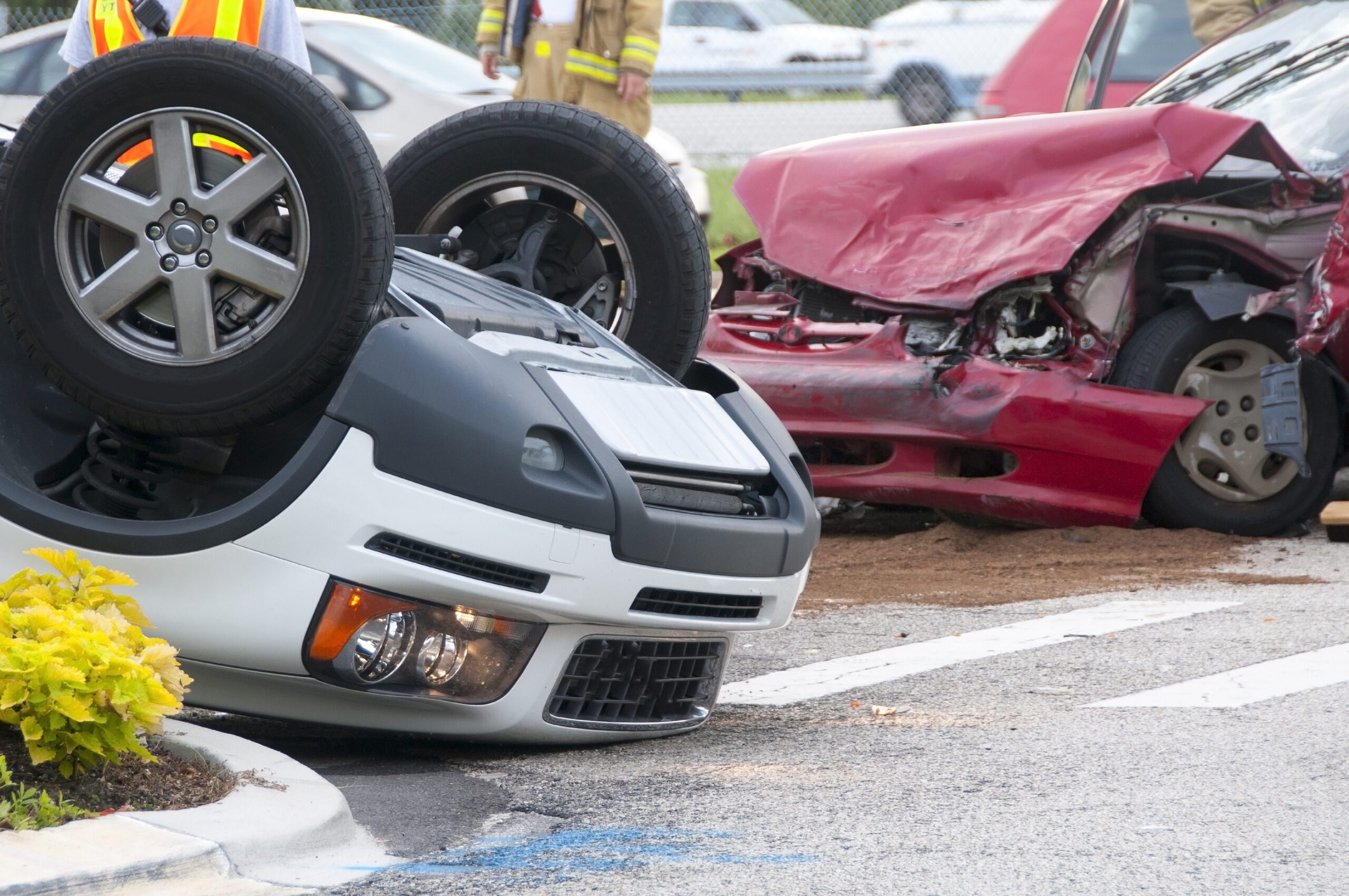
Driver Killed, Passenger Injured in Hall Road Rollover Near Delco Boulevard [STERLING HEIGHTS, MI]

A 41-year-old Sterling Heights man died early Friday, October 16, 2026, after the SUV he was driving left the roadway and rolled over in the median of Hall Road in Sterling Heights. His passenger, a 27-year-old Sterling Heights woman, was also injured.
The Hall Road rollover crash remains under investigation by the Sterling Heights Police Department.
What Happened in the Hall Road Rollover Crash
Police and emergency medical personnel responded at approximately 4:20 a.m. Friday to eastbound Hall Road, east of Delco Boulevard and Van Dyke Avenue.
According to the preliminary investigation, a 2018 Nissan Rogue was traveling east on Hall Road when it entered the grassy median, struck a tree, and rolled over multiple times.
Both occupants managed to exit the SUV before the driver lost consciousness. When officers arrived, they found the man unresponsive on the ground.
The passenger remained at the scene and has been cooperating with investigators.
Both occupants were transported to a nearby hospital, where the driver was pronounced dead. Authorities have not released his name.
The woman remained hospitalized Friday afternoon, but police described her injuries as non-life-threatening.
Investigators do not believe any other vehicles were involved in the collision.
Police identified suspected impaired driving as a possible factor, although they have not confirmed whether alcohol or another substance contributed to the crash.
Eastbound Hall Road was temporarily closed while officers investigated the scene. The roadway has since reopened.
Police Ask Witnesses to Come Forward
The Sterling Heights Police Department is asking anyone who witnessed the collision or has information about what happened to contact Officer Archer of the Traffic Safety Bureau at 586-446-2920.
Information about the SUV’s movements before it left the roadway may help investigators determine the circumstances surrounding the crash.
Why Rollover and Median Crashes Can Be Deadly
Hall Road, also known as M-59, is a major east-west roadway in Macomb County.
Sections of the roadway have multiple travel lanes separated by a median intended to divide opposing traffic.
Although medians can help prevent certain types of collisions, vehicles that leave the traveled portion of a roadway may encounter trees, uneven terrain, drainage areas, or other fixed objects.
Striking an object or traveling across uneven ground can cause a vehicle to overturn, depending on its speed, direction, and other circumstances.
Rollover crashes can expose occupants to several types of impact forces.
During a rollover, the vehicle may strike the ground repeatedly, and occupants may experience forces involving the roof, doors, windows, and restraint systems. The risk and severity of injury depend on factors such as seat belt use, vehicle design, and the nature of the collision.
Investigators examining a single-vehicle rollover may consider impairment, speed, driver fatigue, mechanical problems, and roadway conditions.
However, the presence of a rollover does not establish that any particular factor caused the crash.
In this case, police have identified suspected impairment as a possible contributing factor, but their investigation remains ongoing.
Alcohol-related collisions continue to cause serious harm on Michigan roads.
According to the Michigan State Police’s 2024 crash data release, alcohol-involved crashes resulted in 307 deaths statewide in 2024, a three percent increase from the previous year.
Common Injuries in Rollover Crashes
Police have described the passenger’s injuries as non-life-threatening but have not released further medical details.
In general, rollover collisions can cause serious injuries because occupants may experience repeated impacts and sudden changes in direction.
Common injuries include:
- Head and brain injuries: Contact with the vehicle’s interior or other impact forces can cause concussions and traumatic brain injuries.
- Neck and spinal injuries: Sudden movement, roof deformation, or other collision forces may damage the spine and surrounding structures.
- Broken bones: Fractures involving the arms, shoulders, ribs, and collarbones can occur during a rollover.
- Internal injuries: Blunt force trauma and restraint-related forces may cause injuries to the chest, abdomen, or internal organs.
- Cuts and lacerations: Broken glass, damaged vehicle components, and other debris can cause cuts or facial injuries.
The severity of these injuries varies considerably depending on the circumstances.
Even people who are able to exit a vehicle after a rollover should receive appropriate medical evaluation. Some injuries, including internal bleeding and certain brain injuries, may not produce obvious symptoms immediately.
Michigan Law After a Fatal Single-Vehicle Crash
Michigan law addresses impaired driving, safe vehicle operation, no-fault insurance benefits, and potential civil claims following serious motor vehicle accidents.
The following information explains general legal principles and does not establish what caused the October 16 collision.
Michigan Drunk Driving and Speed Laws
Under MCL 257.625, Michigan prohibits operating a motor vehicle while intoxicated or impaired in circumstances covered by the statute.
For most adult drivers, operating with a bodily alcohol content of 0.08 or higher is prohibited. A driver may also violate Michigan’s impaired driving laws at a lower alcohol level when the statutory requirements are met.
Michigan’s basic speed law, MCL 257.627, requires motorists to drive at a careful and prudent speed appropriate for traffic, roadway conditions, and other relevant circumstances.
Drivers must also maintain a speed that allows them to stop within the assured clear distance ahead.
Although police suspect impairment may have contributed to the Hall Road rollover, no final determination has been reported.
Investigators have not established that speeding or fatigue caused the collision.
Rights of an Injured Passenger
Passengers injured in motor vehicle accidents may have access to insurance benefits and, in some circumstances, claims against a negligent driver.
Under MCL 500.3105, Michigan’s no-fault system provides qualifying personal protection insurance (PIP) benefits for accidental bodily injuries arising out of the ownership, operation, maintenance, or use of a motor vehicle, regardless of fault.
Depending on the circumstances and available coverage, benefits may include qualifying medical expenses, wage loss benefits, and certain other covered losses.
Determining which insurer is responsible requires examining Michigan’s insurance priority rules.
For many injured passengers, coverage may be available through their own automobile insurance policy or a qualifying household family member’s policy. Other priority rules may apply when that coverage is unavailable.
An injured passenger may also have a claim against a legally responsible driver for noneconomic damages.
Under MCL 500.3135, these claims generally require injuries meeting Michigan’s statutory threshold, including serious impairment of body function or permanent serious disfigurement.
Whether a passenger can recover damages depends on the available evidence, the nature of the injuries, applicable insurance coverage, and other legal requirements.
A Sterling Heights personal injury attorney can help injured passengers determine which insurance benefits and legal claims may be available.
Wrongful Death Claims and Determining Fault
When a motor vehicle collision results in a death, surviving family members may have questions about insurance benefits and potential wrongful death claims.
Under MCL 600.2922, the personal representative of a deceased person’s estate may bring a wrongful death action when the death resulted from another party’s wrongful act, neglect, or fault and the applicable legal requirements are satisfied.
However, a fatal collision does not automatically establish grounds for a wrongful death lawsuit.
In a single-vehicle crash, a claim against another party would require evidence supporting that party’s legal responsibility.
Depending on the circumstances, investigators may examine whether vehicle defects, roadway conditions, or another party’s conduct played a role.
These are general possibilities, not findings about the Hall Road collision.
Michigan’s comparative fault provisions, including MCL 600.2959, may affect damages when responsibility is shared.
The effect of comparative fault depends on the type of damages sought and the circumstances of the claim.
Many negligence-based injury claims are subject to a three-year limitations period under MCL 600.5805.
However, the filing deadline for a particular wrongful death action depends on the underlying legal claim and any applicable exceptions.
No-fault benefits have separate notice and filing requirements under MCL 500.3145.
Families can learn more about wrongful death claims in Sterling Heights.
What Families Can Do After a Fatal Crash
Losing a family member in a sudden collision can leave loved ones facing difficult practical and financial decisions while they are grieving.
Several steps may help preserve important information and protect available options.
- Stay in contact with investigators. Ask the investigating department how to obtain the crash report and whether additional information will be released.
- Identify applicable insurance coverage. Determine which insurers may need notice of a potential claim and review applicable filing requirements.
- Keep relevant records. Preserve medical bills, funeral expenses, insurance correspondence, and other documents related to the collision.
- Preserve potential evidence. When possible, avoid disposing of the vehicle or other relevant property before its evidentiary value has been considered.
- Consider assistance with insurance communications. A trusted family member or attorney may help organize records and communications during a difficult time.
Michigan no-fault insurance may provide certain funeral and burial benefits when statutory requirements are satisfied, subject to applicable limits.
Because different claims can have different deadlines, families should investigate their options promptly.
What to Do If You Are Injured as a Passenger
Passengers who survive a serious crash may need to address medical treatment, insurance benefits, and questions about who was responsible.
The following steps may help:
- Seek medical attention promptly. Follow treatment recommendations and attend necessary follow-up appointments.
- Determine the appropriate insurer. Identify available automobile insurance coverage and comply with applicable notice and filing requirements.
- Request the crash report. Obtain the investigating agency’s report and preserve any available case information.
- Document your losses. Keep records of medical treatment, missed work, and other expenses connected to the collision.
- Use caution with recorded statements. Consider obtaining legal guidance before giving detailed recorded statements to another party’s insurer.
Passengers should not assume that being in a single-vehicle accident prevents them from obtaining no-fault benefits or pursuing a qualifying liability claim.
Safety Reminders for Late-Night Driving
Driving during overnight and early-morning hours requires attention to visibility, alertness, and other roadway conditions.
Several precautions can help reduce the risk of serious collisions.
- Never drive while impaired. Arrange a sober driver, rideshare, or another safe transportation option after drinking.
- Avoid riding with an impaired driver. Make alternative arrangements when a driver appears unable to operate a vehicle safely.
- Adjust speed to conditions. Reduced visibility and unfamiliar roadway features may require additional caution.
- Wear a seat belt. Proper restraint use is an important safety measure in rollover and other serious crashes.
- Recognize fatigue. If drowsiness affects your ability to drive safely, stop in an appropriate location and rest.
These precautions cannot eliminate every risk, but they can help drivers and passengers make safer decisions.
Frequently Asked Questions
Can a passenger receive no-fault benefits if the driver caused the crash?
Yes. Michigan’s no-fault system may provide qualifying PIP benefits to an injured passenger regardless of who caused the collision. The responsible insurer depends on applicable priority rules and available coverage. Benefits may include covered medical expenses and certain wage loss benefits.
Can a passenger sue the driver after a single-vehicle crash in Michigan?
Possibly. A passenger may pursue a claim against a legally responsible driver when the applicable requirements are met. Claims for noneconomic damages generally require a serious impairment of body function or permanent serious disfigurement under Michigan law. Liability, injury severity, and insurance coverage all matter.
What is the legal blood alcohol limit for drivers in Michigan?
For most adult drivers, Michigan prohibits operating a motor vehicle with a bodily alcohol content of 0.08 or higher. Drivers may also violate impaired driving laws at lower alcohol levels when their ability to operate a vehicle is affected and the statutory requirements are met.
What should I do if I witnessed the Hall Road crash?
Anyone who witnessed the collision or has information about the SUV’s movements before the crash can contact Officer Archer of the Sterling Heights Police Traffic Safety Bureau at 586-446-2920.
How long does a family have to file a wrongful death lawsuit in Michigan?
Many negligence-based claims are subject to a three-year limitations period, but the deadline for a wrongful death action depends on the underlying claim and any applicable exceptions. Michigan no-fault benefit claims have separate notice, filing, and recovery requirements, so families should seek guidance promptly.
Our condolences go to the family and loved ones of the man who died in the October 16 Hall Road collision. We also wish the injured passenger a full recovery.
The attorneys at Macomb County Accident Attorneys help injured passengers and grieving families throughout Sterling Heights and Macomb County understand their options following serious motor vehicle accidents.
If you have questions about an accident or potential insurance claim, contact our office to discuss your circumstances.
Source: WWJ Newsradio 950
Note: Our law office relies on external sources for the content of this post. Although we aim for accuracy, we have not independently verified all facts related to this incident. Please notify Mihelich & Kavanaugh, PLC for corrections if you identify any inaccuracies. Posts will be removed upon request.
Disclaimer: The content of this post is intended for informational purposes only and does not constitute a solicitation for business. The information contained herein is not intended to offer legal or medical advice. If you or someone you care about has been injured in an accident, it is recommended to seek immediate medical assistance. The photo featured in this post was not taken at the actual scene of the accident.